 |
Autism diagnosis rates in England see significant rise
Better awareness and clinical training drive higher numbers
|
By Peter Clark (Senior Editor, Autism Info Center) Tuesday 5th May 2026 |

Recent statistics indicate that the rate of autism diagnoses in England has seen a remarkable increase over the past two decades, reflecting a shift in how society views neurodevelopmental conditions.
Research shows that improved identification, particularly among women and girls who were previously overlooked, is a primary driver of this trend.
For many years, the clinical understanding of autism was based on a narrow profile that did not account for the diverse ways the condition manifests.
As diagnostic criteria have evolved and clinicians have become better at recognising masking and other subtle traits, more people are finally receiving the clarity they need.
This rise is not seen as an increase in the prevalence of autism itself, but rather as a correction of historical under-diagnosis.
Despite this progress, the social infrastructure has struggled to keep pace with the growing number of identified autistic people.
There is a pressing need for more inclusive environments in schools and workplaces that move beyond simple awareness toward genuine acceptance and meaningful adjustment.
Advocacy groups are calling for a move away from the medical model of disability toward a neurodiversity paradigm that values different ways of thinking and being as a natural and valuable part of human diversity.
Source: The Guardian (United Kingdom)
https://www.theguardian.com/society/2024/mar/04/
Further reading, listening and viewing...
Have you seen our books about Autism and Neurodiversity?
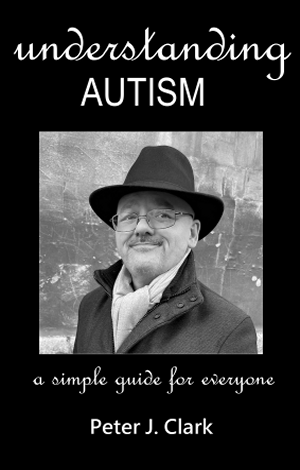 Written by an autistic author, this book explains what autism is, what it isn't, and how to support autistic people with kindness and consideration. It aims to help the friends, family and carers of autistic people, as well the general public, educators, healthcare providers, employers, authorities, and anyone else who might interact with autistic people. It clearly and concisely shows them what autism can 'look like', how to recognise it, how to sensitively offer support, and how to advocate for greater awareness, acceptance and inclusion in society.
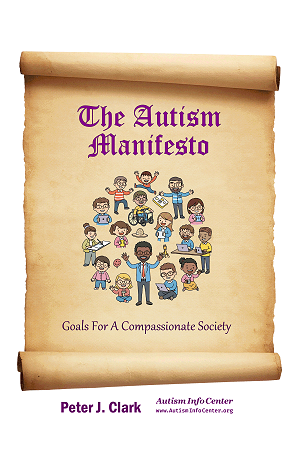 The Autism Manifesto provides a vital 'lived perspective' on autism and advocates for greater understanding, inclusion, and integration for autistic people in society. The manifesto challenges outdated views of autism as a deficit or something to be 'cured', instead presenting it as a natural human variation, and highlights the fact that different ways of thinking only serve to enrich society. Its core lies in the 10 Pillars of Inclusion, which offer direct, practical steps that everyone can take to improve the lives of autistic people in every walk of life, at home, at work, at school, in the community, in government, and in the authorities and legal systems.
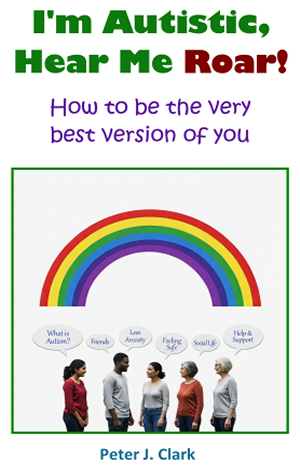 This is a book for autistic people, by an autistic writer. It helps you understand and embrace your autism and focus on all its positive sides (and all your strengths that come with it), as well as how to calm yourself in troubled times, and how to live a full life that's even happier, more fulfilling, and more meaningful, as part of your community. There are hundreds of practical ideas and advice for going out and enjoying life, meeting new people, making new friends, and maintaining existing relationships. It really is a guide to becoming the very best version of yourself!
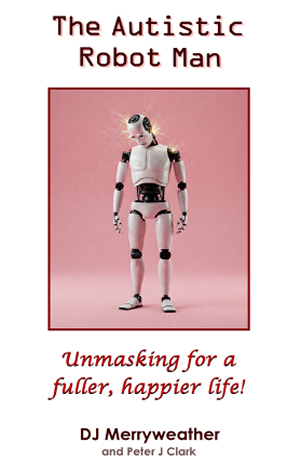 DJ Merryweather is autistic, and shares his life experiences of autism - always trying to fit in, masking his differences at every turn - and how it led to his ultimate burnout, after which he began dismantling his autistic masking habits, one by one. The book explains why you're masking, how bad it can make you feel, and why you probably feel like you're stuck with it - from social rules and situations to 'faking' emotions and learning to 'perform' feelings in socially expected ways. But most of all, it's an inspiring message about the value of unmasking your true self and living a happier, more fulfilling life.
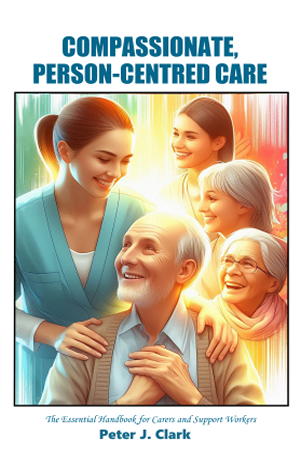 This essential handbook is for those who care for and support vulnerable people and those with disabilities. If you want to move beyond 'task-focused' routines and deliver truly compassionate, person-centred care, this is the toolbox that will make all the difference to you and to those you look after. Written by an experienced social care professional, it provides practical strategies, reflective tools, and human insights that improve dignity, respect, and autonomy for those in your care. It emphasizes the need to honour the unique identity, humanity, preferences, needs and challenges of each person being supported. Learn to manage challenging behaviours with empathy, navigate the pressures of 'the system' and prevent yourself 'burning out' with dozens of self-care techniques. Use it to improve on the care and support you provide and make a genuinely compassionate, person-centred difference.
 This is a comprehensive guide to addressing bullying whether it's at home, school, work, in clubs, in public, or online. It provides safe and ethical strategies to handle all the different bullying tactics from subtle manipulation to outright harassment and physical threats. It equips you to recognise bullying, deal with it safely but assertively, set proper boundaries, and document and report bullying wherever it finds you. Learn how to use support networks, safe ways of reporting bullying, and understand your legal rights to protect yourself and find the right way to deal with bullies without starting a war on your own doorstep!
Copyright ©2026 Peter J. Clark T/A Autism Info Center / The Guardian (United Kingdom). All rights reserved worldwide. This information may not be copied, reproduced, excerpted, stored, indexed or distributed without the express written permission of the publisher, author, and copyright holder.


