
For autistic people with ARFID, mealtimes aren't about 'picky eating' or stubborn defiance but a strong neurological survival response. Driven by sensory sensitivities, fear, and executive dysfunction, the dinner table can become a terrifying battleground. We explain what really drives ARFID, dismantle several damaging myths, and validate the emotional toll it takes on autistic people, carers, and families alike. Crucially, you'll learn practical strategies to support nourishment safely, embracing predictable safe foods, parallel eating, and zero-pressure routines, while fiercely protecting personal choice with understanding, acceptance, compassion, and dignity.


 This is a practical guide to conducting person-centred reviews (PCRs) for autistic people in care settings. It details the process, starting with the preparation you need to do, including what to include in the review pack, and then structuring the meeting and creating an action plan afterward. It aims to helps professionals and families alike to conduct more empowering reviews that keep the person's voice central to all decisions about their care and support.
 This article provides educators with practical strategies to create sensory-friendly classrooms for autistic students. It suggests minimising visual clutter, using calming colours, and organising displays. For auditory sensitivities, it recommends reducing noise, providing quiet zones or headphones, and minimising sudden loud sounds. It also addresses tactile, olfactory, and movement sensitivities, offering solutions like varied seating, fidget tools, avoiding strong scents, and incorporating movement breaks, all to reduce anxiety and improve learning.
 This article for carers and the families of autistic people explains the process of person-centred care planning, outlining the key principles and elements of a compassionate support plan. It provides a step-by-step guide to conducting meaningful care plan reviews and annual Person-Centred Reviews (PCRs). Learn how to create truly empowering care plans that ensure the person's 'voice and choice' remains central to all decisions about their care.
 This article introduces Social Stories and Comic Strip Conversations, which are visual tools to help autistic people understand situations and social interactions. It explains their structure, how they clarify social situations and emotions, and provides guidance for making up these 'leading by example' stories, which help improve social understanding, reduce anxiety, acquire new skills, increase independence, and make communication easier.
 Navigating the world of political engagement is a right for everyone, including autistic people. Here we provide you with the know-how to help them engage safely and respectfully in politics. Learn how to gently teach critical thinking and media literacy, empowering the people you support to form their own informed opinions. We also cover the skills you need to recognise potentially harmful influences, such as extremism or radicalisation, and we explain step-by-step how to know, what to do, and when to get involved if there's a problem. Use our clear, compassionate, and practical guidance to safeguard people while still respecting their rights and autonomy.
 This article explains why transitions, both big and small, are challenging for autistic people, causing anxiety and distress due to their need for predictability and routine. It offers practical strategies for educators, includes providing clear, timely, and specific information, utilising visual aids and social stories, breaking transitions down into smaller steps, practising new routines, and providing familiar comfort items in the classroom.
 This article explores how executive functions like planning, organisation and decision-making can differ for autistic people, affecting their daily life, education, and work. It provides strategies for autistic people, such as using checklists and visual timers, as well as for those who support them, like breaking down instructions and providing clear routines. This guidance will help you encourage their independence and greatly reduce their anxiety in everyday life.
 This comprehensive glossary of terms about autism and everything related to it defines key terms, names, medical words, behaviours (such as stimming and masking), as well as names and acronyms associated with official support systems and UK laws. It explains all that often-baffling jargon and empowers autistic people, their families and friends, care and health professionals, and everyone in the community to engage more confidently in important conversations about autism diagnosis, support, and well-being.
 This article explains what happens as you age because autism is a lifelong journey where different traits can evolve. While strengths like established routines and special interests can help you, there are also challenges like accessing appropriate healthcare and avoiding social isolation. Planning ahead for future support, housing, medical care, and finances is essential, and using tools like Autism Hospital Passports and getting advocacy can help you make sure your needs are met and you keep your independence.
 This article explores how autism presents differently in girls and women, often leading to under-recognition or misdiagnosis due to masking and socially acceptable interests. It highlights internal struggles like high anxiety and exhaustion from masking, and the negative impact of diagnostic bias. It aims to help parents, educators, and professionals understand these differences, promoting timely, gender-sensitive support and improved well-being for autistic girls and women.
 This article explains why connecting with other autistic people is vital for reducing isolation and finding validation in your daily life. You can find your community through online forums, local support groups, or clubs based on your special interests. Discover how these places can offer practical advice, emotional support, and a shared understanding of sensory and communication differences, allowing for authentic, unmasked interactions and a true sense of belonging in your community.
 Writing from both personal and professional experience, autistic social care worker Peter J Clark argues for the urgent replacement of 'Special Needs' with more helpful and inclusive language. Labels like 'Special Educational Needs' are stigmatising, divisive, vague, and patronising. They focus on perceived deficits rather than acknowledging people as individuals who simply have some different requirements. Find out about more precise and empowering language, such as 'additional needs' or 'different access needs'. It's not about "political correctness" - it's about inclusion, respect and dignity for everyone... and that includes you!
 This guide explains how to recognise possible autistic traits in others, detailing their various differences in communication, behaviour, and sensory needs. However, it warns against amateur diagnosis, detailing how other conditions can seem similar to autism. This article aims to foster empathy, encouraging a shift from judgment and bias toward patience and kindness, so you can deal more fairly and inclusively with people of all kinds of neurodiversity.
 This article explores how technology can support autistic people in daily life. It covers communication aids like AAC apps, tools such as visual planners, PECS, and text-to-speech systems, as well as sensory regulation technologies like noise-cancelling headphones. It provides practical knowledge about how these tools can empower you, enhance your independence, help with learning, and manage anxiety for a better quality of life.
 This article explains the Neurodiversity Movement, which advocates that brain differences such as those found in autism, ADHD, and dyslexia are simply natural human variations, not 'disorders' as such. The movement's agenda is to promote acceptance, challenge stigma, advocate for rights and accommodations, and shift away from a 'deficit-based model'. Discover insights about diverse thinking, inclusion, and the role of autistic self-advocates in shaping a more equitable society.
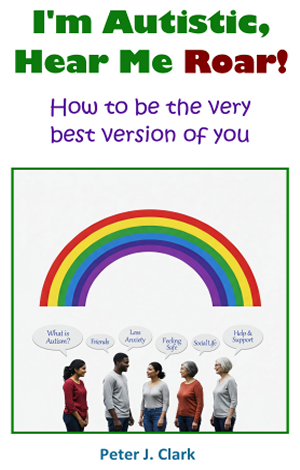 This is a book for autistic people, by an autistic writer. It helps you understand and embrace your autism and focus on all its positive sides (and all your strengths that come with it), as well as how to calm yourself in troubled times, and how to live a full life that's even happier, more fulfilling, and more meaningful, as part of your community. There are hundreds of practical ideas and advice for going out and enjoying life, meeting new people, making new friends, and maintaining existing relationships. It really is a guide to becoming the very best version of yourself!
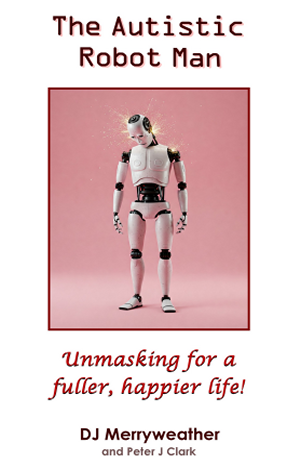 DJ Merryweather is autistic, and shares his life experiences of autism - always trying to fit in, masking his differences at every turn - and how it led to his ultimate burnout, after which he began dismantling his autistic masking habits, one by one. The book explains why you're masking, how bad it can make you feel, and why you probably feel like you're stuck with it - from social rules and situations to 'faking' emotions and learning to 'perform' feelings in socially expected ways. But most of all, it's an inspiring message about the value of unmasking your true self and living a happier, more fulfilling life.
 This is Peter Clark. We're out there every day helping autistic people live happier, more fulfilling lives. We don't charge for what we do but, if you'd like to help us make lives better, we're very grateful for even the smallest of donations - but it's entirely your choice!


