 |
Scientific research embraces participatory design for autistic communities
Medical professionals abandon cures in favour of accommodations
|
By Peter Clark (Senior Editor, Autism Info Center) Wednesday 7th October 2026 |

The landscape of scientific research into autism is undergoing a massive paradigm shift, completely abandoning historical approaches that sought to cure or eliminate neurodevelopmental differences.
For decades, traditional medical models subjected autistic individuals to interventions that focused heavily on suppressing natural autistic behaviours to make them appear more neurotypical.
Today, leading developmental psychiatrists are championing a participatory framework that actively involves the autistic community in the design of clinical trials and support systems.
This collaborative method prioritises the genuine lived experiences of neurodivergent people, aiming to foster deep empathy and understanding rather than forcing compliance.
Innovative therapeutic programmes now focus on helping parents understand their autistic child's unique communication style, enabling families to adapt their home environments to better suit the child's sensory needs.
Researchers report that children supported through these neuro-affirming pathways display improved emotional well-being and form stronger social connections without having to mask their authentic selves.
Advocacy groups praise this progressive academic direction, noting that removing stigmatising, deficit-based language from clinical literature allows science to focus on practical, environmental adjustments that truly help autistic people flourish in their daily lives.
Source: The Guardian (UK)
https://www.theguardian.com/society/2024/mar/08/
Further reading, listening and viewing...
Have you seen our books about Autism and Neurodiversity?
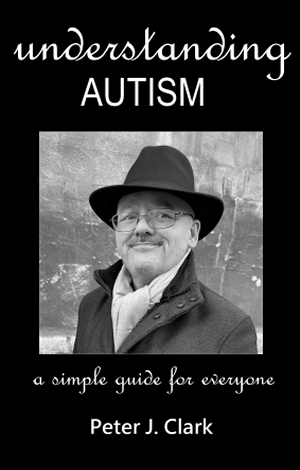 Written by an autistic author, this book explains what autism is, what it isn't, and how to support autistic people with kindness and consideration. It aims to help the friends, family and carers of autistic people, as well the general public, educators, healthcare providers, employers, authorities, and anyone else who might interact with autistic people. It clearly and concisely shows them what autism can 'look like', how to recognise it, how to sensitively offer support, and how to advocate for greater awareness, acceptance and inclusion in society.
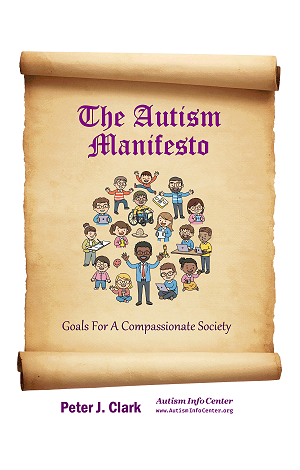 The Autism Manifesto provides a vital 'lived perspective' on autism and advocates for greater understanding, inclusion, and integration for autistic people in society. The manifesto challenges outdated views of autism as a deficit or something to be 'cured', instead presenting it as a natural human variation, and highlights the fact that different ways of thinking only serve to enrich society. Its core lies in the 10 Pillars of Inclusion, which offer direct, practical steps that everyone can take to improve the lives of autistic people in every walk of life, at home, at work, at school, in the community, in government, and in the authorities and legal systems.
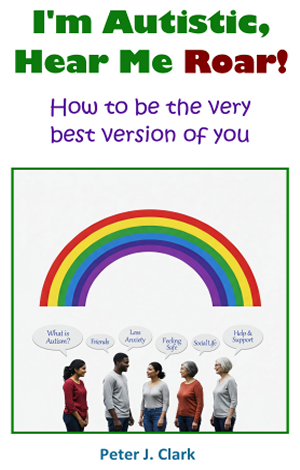 This is a book for autistic people, by an autistic writer. It helps you understand and embrace your autism and focus on all its positive sides (and all your strengths that come with it), as well as how to calm yourself in troubled times, and how to live a full life that's even happier, more fulfilling, and more meaningful, as part of your community. There are hundreds of practical ideas and advice for going out and enjoying life, meeting new people, making new friends, and maintaining existing relationships. It really is a guide to becoming the very best version of yourself!
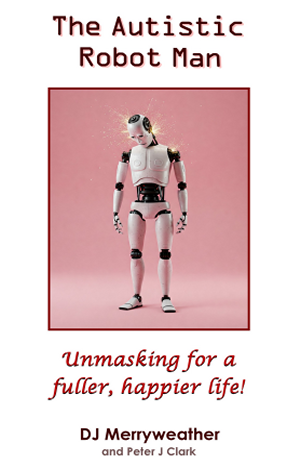 DJ Merryweather is autistic, and shares his life experiences of autism - always trying to fit in, masking his differences at every turn - and how it led to his ultimate burnout, after which he began dismantling his autistic masking habits, one by one. The book explains why you're masking, how bad it can make you feel, and why you probably feel like you're stuck with it - from social rules and situations to 'faking' emotions and learning to 'perform' feelings in socially expected ways. But most of all, it's an inspiring message about the value of unmasking your true self and living a happier, more fulfilling life.
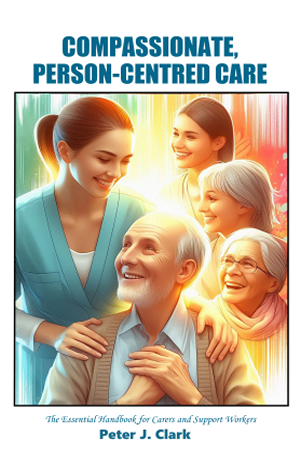 This essential handbook is for those who care for and support vulnerable people and those with disabilities. If you want to move beyond 'task-focused' routines and deliver truly compassionate, person-centred care, this is the toolbox that will make all the difference to you and to those you look after. Written by an experienced social care professional, it provides practical strategies, reflective tools, and human insights that improve dignity, respect, and autonomy for those in your care. It emphasizes the need to honour the unique identity, humanity, preferences, needs and challenges of each person being supported. Learn to manage challenging behaviours with empathy, navigate the pressures of 'the system' and prevent yourself 'burning out' with dozens of self-care techniques. Use it to improve on the care and support you provide and make a genuinely compassionate, person-centred difference.
 This is a comprehensive guide to addressing bullying whether it's at home, school, work, in clubs, in public, or online. It provides safe and ethical strategies to handle all the different bullying tactics from subtle manipulation to outright harassment and physical threats. It equips you to recognise bullying, deal with it safely but assertively, set proper boundaries, and document and report bullying wherever it finds you. Learn how to use support networks, safe ways of reporting bullying, and understand your legal rights to protect yourself and find the right way to deal with bullies without starting a war on your own doorstep!
Copyright ©2026 Peter J. Clark T/A Autism Info Center / The Guardian (UK). All rights reserved worldwide. This information may not be copied, reproduced, excerpted, stored, indexed or distributed without the express written permission of the publisher, author, and copyright holder.


